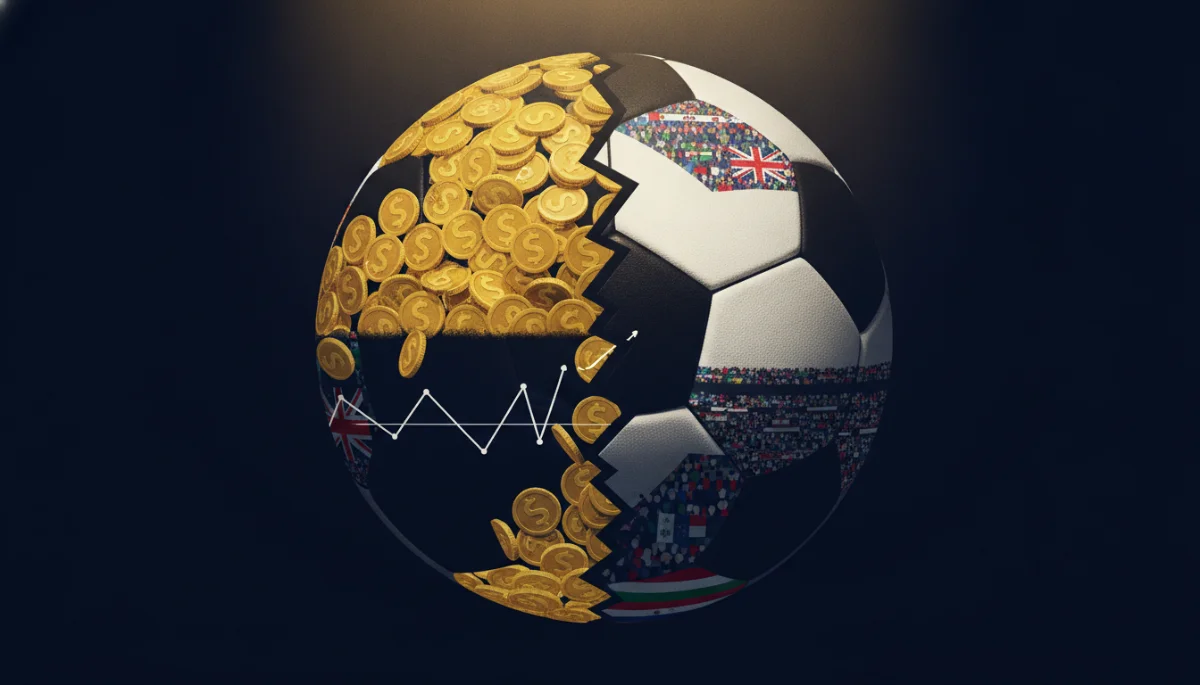
Football’s governing hierarchy is facing a serious break point, and the dispute is being driven by control of the game’s biggest commercial assets.
FIFA president Gianni Infantino has proposed selling minority stakes in the World Cup and other FIFA properties to private investors, with reports pointing to an investment fund tied to Joshua Kushner. He gave the 211 member federations until September 19 to sign off on the idea.
The response from major regional bodies was swift and unusually sharp.
Europe Draws the Hardest Line
UEFA, which represents 55 national associations, voted unanimously to oppose FIFA’s plan and said it would boycott World Cups if the proposal is not withdrawn. Its message was unmistakable: the process was handled in secret, and the World Cup should not be treated as a private asset.
- UEFA rejected the proposal and threatened a boycott.
- CONCACAF criticized the lack of transparency and the rushed timetable.
- The AFC backed those concerns and called for broader governance reform.
- Mexico said it needed more time before taking a position.
CONCACAF, which covers North America, Central America, and the Caribbean, also turned down the plan, though it stopped short of threatening a full boycott. The Asian Football Confederation went further than simple criticism, warning that the issue should concern anyone who cares about the sport’s future and urging FIFA to rethink how it is run.
Elsewhere, the picture is still unsettled. Africa, South America, and Oceania have not yet held votes, so the scale of the resistance could still grow.
FIFA Insists It Will Move Ahead
FIFA has not backed down. In a statement, the organization blamed inaccurate media coverage for disrupting its consultation process and said it would continue pursuing the plan.
The internal pressure intensified when Carlos Cordeiro, one of Infantino’s senior advisers, resigned over the issue. That departure suggests the controversy is not only external; it is beginning to unsettle FIFA’s own leadership circle as well.
The stakes are significant for reasons that go beyond one business proposal. UEFA alone includes some of the richest and most influential leagues in world football, including the Premier League, La Liga, and Serie A. Combined opposition from Europe, Asia, and North America gives the anti-plan bloc enormous use.
- September 19 is the deadline for support inside FIFA.
- Next month’s FIFA U-20 Women’s World Cup in Poland may become the first practical test of whether the dispute affects competition.
- March’s presidential vote in Rabat now looks less predictable than before.
- Infantino’s path to a fourth term may no longer be as smooth as expected.
What began as a financial proposal has quickly become a broader struggle over trust, governance, and the future ownership of the sport’s most valuable events. If more confederations align with UEFA, FIFA could be forced into a far deeper fight than it anticipated.