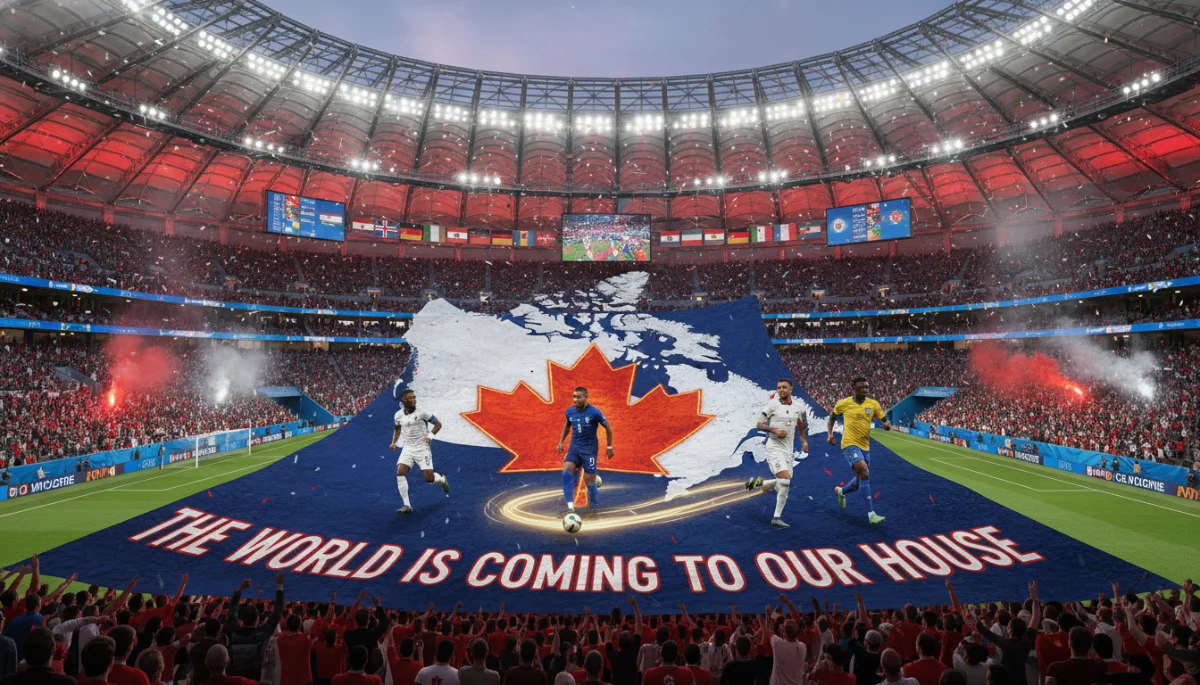
The 2026 FIFA World Cup will arrive on North American soil with more teams, more matches, and more room for chaos than any previous edition. With Canada, Mexico, and the United States sharing hosting duties, the tournament will feel close to home for Canadian fans while still bringing the sport’s biggest giants to our door.
That matters because the expanded 48-team format changes everything. There will be more contenders, more schedule strain, and more opportunities for a true heavyweight to stumble before the final weekend. Still, a handful of national teams enter with clearer title credentials than the rest.
The Short List of Real Favorites
If you want the clearest possible picture, start with the teams that combine elite talent, proven tournament quality, and enough depth to survive a long, demanding month. These are the nations most likely to control the conversation from the first group-stage kickoff to the final in July.
- France brings the deepest squad in the field and the most complete match-winner in Kylian Mbappé.
- Brazil still has elite attacking artistry, but now pairs it with a more stable structure.
- England owns a balanced roster that looks built for a deep run if the pressure does not get to them.
- Argentina remains a threat because championship teams rarely lose their edge overnight.
- Spain has the technical quality and youthful pace to punish tired opponents late in the tournament.
1. France Still Sets the Standard
France enters as the most complete side on paper. The squad depth is outrageous, the midfield options are abundant, and Mbappé gives them a devastating edge in any match that opens up. Few teams can survive France when the game turns into a sprint, and even fewer can match them across every line of the pitch.
What makes France especially dangerous is that they do not need to play perfectly to win. They can dominate possession, absorb pressure, or strike in transition, and they have tournament experience from multiple deep runs. If they adapt quickly to the travel demands of a North American World Cup, they are the team everyone else will be chasing.
2. Brazil Keeps the Spark, Adds More Control
Brazil’s name alone always guarantees attention, but this version of the Seleção looks more balanced than some recent editions. Vinícius Júnior and Rodrygo can turn any defensive line into a target, and their ability to create danger from almost nothing gives Brazil a constant escape hatch.
The difference now is control. Brazil appears more organized defensively and more willing to win without relying only on flair. That combination makes them harder to knock out in the later rounds, where one sloppy spell can ruin a title favorite’s entire summer.
3. England Has the Pieces to Finally Finish the Job
England continues to live in the space between expectation and frustration. The talent is obvious, the roster is deep, and the spine of the team looks strong enough to carry them through difficult knockout matches. Jude Bellingham gives the midfield power and imagination, while Harry Kane still offers elite finishing and calm leadership.
The real question is psychological, not technical. England has spent years carrying the weight of its own history, and that burden has often shown up at the worst moments. If this group stays composed under pressure, it is built to go far.
4. Argentina Remains a Championship Threat
Argentina enters 2026 as the defending champion, and that matters even if Lionel Messi is no longer asked to do everything himself. The team has matured around him, and the supporting cast now looks like a proper title-winning unit rather than a collection of hopefuls.
Players such as Julián Álvarez and Alexis Mac Allister give Argentina energy, intelligence, and bite in all the right areas. The team may not overwhelm opponents with volume, but it has the rare ability to find exactly the kind of ugly, efficient win that decides World Cups.
5. Spain’s New Shape Fits the Moment
Spain has evolved beyond the slow, predictable possession patterns that once defined it. The current version is more direct, more explosive, and far less willing to let matches drift. That shift gives La Roja a better chance of turning technical superiority into actual scoreboard pressure.
Lamine Yamal brings the kind of wide threat that makes defenders panic, and Spain’s overall technical level remains among the best in the world. If the young core can handle the physical grind of a long tournament, Spain could be one of the last teams standing.
Why the Middle Tier Still Matters
Below the top five, the tournament still has several teams that can spoil a bracket and push the favorites into uncomfortable territory. These sides may not have the cleanest path to the trophy, but they have enough quality to change the shape of the competition.
- Germany has the tactical organization and midfield control to make any opponent miserable.
- Portugal now looks more dangerous because it is no longer built around one overwhelming focal point.
- Italy knows how to survive tight games and keep matches on its terms.
- Netherlands combines defensive strength with tactical flexibility.
- Uruguay can make every match feel like a street fight in the best possible way.
6. Germany Is Quietly Back in the Picture
Germany has spent too much time below its own standards, but the current rebuild looks more convincing than recent cycles. The squad mixes seasoned leadership with emerging quality, and that balance usually matters once the knockout rounds begin.
Germany’s greatest strength remains its structure. When the matches get tense, disciplined teams often survive longer than more glamorous ones. That is why Germany should be taken seriously even before the knockout bracket is set.
7. Portugal Looks More Complete Than Ever
Portugal no longer depends on a single dominant figure to carry every attack, and that makes it more flexible. Rafael Leão, Bruno Fernandes, and Bernardo Silva give the team creativity from multiple zones, which is exactly what you want in a tournament with compressed recovery time.
Portugal can score in different ways, press aggressively, and rotate through the group stage without losing much quality. That depth could become a major advantage when fatigue starts shaping the later rounds.
8. Italy Knows How to Win the Hard Way
Italy’s recent World Cup absence still looms over the program, but the identity of the team remains unmistakable. The Azzurri are built on discipline, structure, and the kind of competitive stubbornness that frustrates more talented opponents.
They may not be the flashiest side in the draw, but tournament football often rewards teams that can stay organized and stay alive. Italy has built its reputation on exactly that skill.
9. The Netherlands Can Hurt Anyone on the Right Day
The Netherlands is one of the most interesting dangerous teams in the field because it usually looks good enough to matter, even when it is not always efficient in the final third. Virgil van Dijk still anchors a defense that is hard to break down, and the midfield has the athletic range to support different game plans.
If the attack becomes consistent, the Dutch become far more than a spoiler. They become a genuine title problem for whoever meets them in the bracket.
10. Uruguay Brings Relentless Energy
Uruguay rounds out the top ten because it can drag any match into a high-intensity, physical battle. Under Marcelo Bielsa, the team plays with urgency and aggression that can overwhelm less prepared opponents. Darwin Núñez gives them a direct threat, but the larger story is the pace of the entire team.
That style is exhausting to deal with over ninety minutes, especially in a knockout setting. Uruguay may not be the most polished contender, but it is absolutely one of the hardest to face.
Could Canada Push Past Expectations?
For Canadian fans, the dream is obvious: make the most of home soil and turn a tough draw into a genuine run. That is a tall order, but the benefit of playing in front of supportive crowds in Toronto and Vancouver should not be ignored. The atmosphere alone can add energy, confidence, and a few extra percentage points of belief.
Alphonso Davies gives Canada a true game-breaking presence, which matters in a tournament where individual moments can decide entire group standings. If the team finds rhythm early, it can make life uncomfortable for bigger names.